
The generous host: upgrade an everyday favorite
Replace one proven hosting workhorse such as lighting, seating support, linens, storage, or serving equipment.
See fit and tradeoffs →Curated editorial collection · 53 ideas
Ways to recognize welcome while reducing work instead of adding another object to store.
Replace one proven hosting workhorse such as lighting, seating support, linens, storage, or serving equipment.
See fit and tradeoffs →
Restock candles, napkins, pantry basics, flowers, coffee, or cleanup supplies in their known style.
See fit and tradeoffs →Take them out, host them elsewhere, or plan a meal where they are explicitly not responsible.
See fit and tradeoffs →Arrive early, handle dishes, bring breakfast, clean up, return borrowed items, or coordinate transport.
See fit and tradeoffs →Collect one sentence or photograph from guests and turn it into a modest record of a gathering.
See fit and tradeoffs →
Create a handled caddy containing the small washable items needed to reset a guest bed and bedside area after a visit. Size it around one bed and include a simple inventory card so missing items are obvious.
See fit and tradeoffs →
Create washable shelf labels and bed-set tags that identify linen size, room, and rotation order at a glance. Fold complete sets inside one pillowcase so fitted sheets and matching pieces remain together.
See fit and tradeoffs →
Assemble the shelf-stable ingredients for one tested soup and one simple bread, with perishable additions listed separately rather than included. Package exact usable quantities and add a card showing active time, total time, allergens, and required equipment.
See fit and tradeoffs →Choose a low, stable bowl and a small number of bulbs suited to indoor forcing, with instructions from the bulb source kept intact. Add reusable supports and a calendar card showing the expected sequence without promising an exact bloom date.
See fit and tradeoffs →
Choose a cooperative mystery with a stated age range and play time, then host it with roles that let participants read, organize clues, draw, or simply observe. Prepare a spoiler-free hint system, accessible lighting, simple food, and a stopping point before anyone becomes overtired.
See fit and tradeoffs →
Ask the host for one final written list with exact substitutions, budget, destinations, and a firm return time. Complete the run, send only necessary questions, put every item in its agreed place, and remove receipts or reimbursements according to the plan.
See fit and tradeoffs →
Agree before the gathering on a morning arrival window and a bounded kitchen reset covering dishes, counters, labeled leftovers, recycling, and floor. Bring breakfast, work quietly from the host's instructions, and leave without requiring them to retell or evaluate the event.
See fit and tradeoffs →Before the meal, agree which washable napkins, cloths, aprons, or uncomplicated table linens the host wants handed off and photograph care labels with permission. Collect them in labeled bags, use the approved process or cleaner, then return each category folded or rolled exactly as requested.
See fit and tradeoffs →Bring a compact set of reusable or appropriate take-home containers, ingredient labels, markers, and a chilled holding plan approved by the host. After the meal, ask guests what they can use, label portions and dates, and clean the packing surface before leaving.
See fit and tradeoffs →Choose a real January date and arrange a restaurant meal, delivered supper, or gathering in another home where the usual host has no planning, cooking, transport, or cleanup role. Make the invitation explicit about duration, cost, access, and whether they may bring a partner or care responsibility.
See fit and tradeoffs →Walk the arrival route with the host and, when appropriate, the invited guest, checking parking or drop-off, steps, light, door width, coats, seating, restroom, food, quiet space, and departure. Record only agreed adjustments and help implement the low-risk changes the host and guest choose.
See fit and tradeoffs →Before the event, agree on who may be photographed, what should never be captured, and whether guests can opt out visibly but discreetly. Afterward, remove duplicates and unflattering near-misses, caption a small private set, and deliver files without posting or creating an account.
See fit and tradeoffs →Cook the host's chosen recipe together once, weighing the actual finished yield and recording pan size, active time, holding time, serving tool, and realistic portions. Produce a clear scaling sheet for several guest ranges and mark which steps should not simply be multiplied.
See fit and tradeoffs →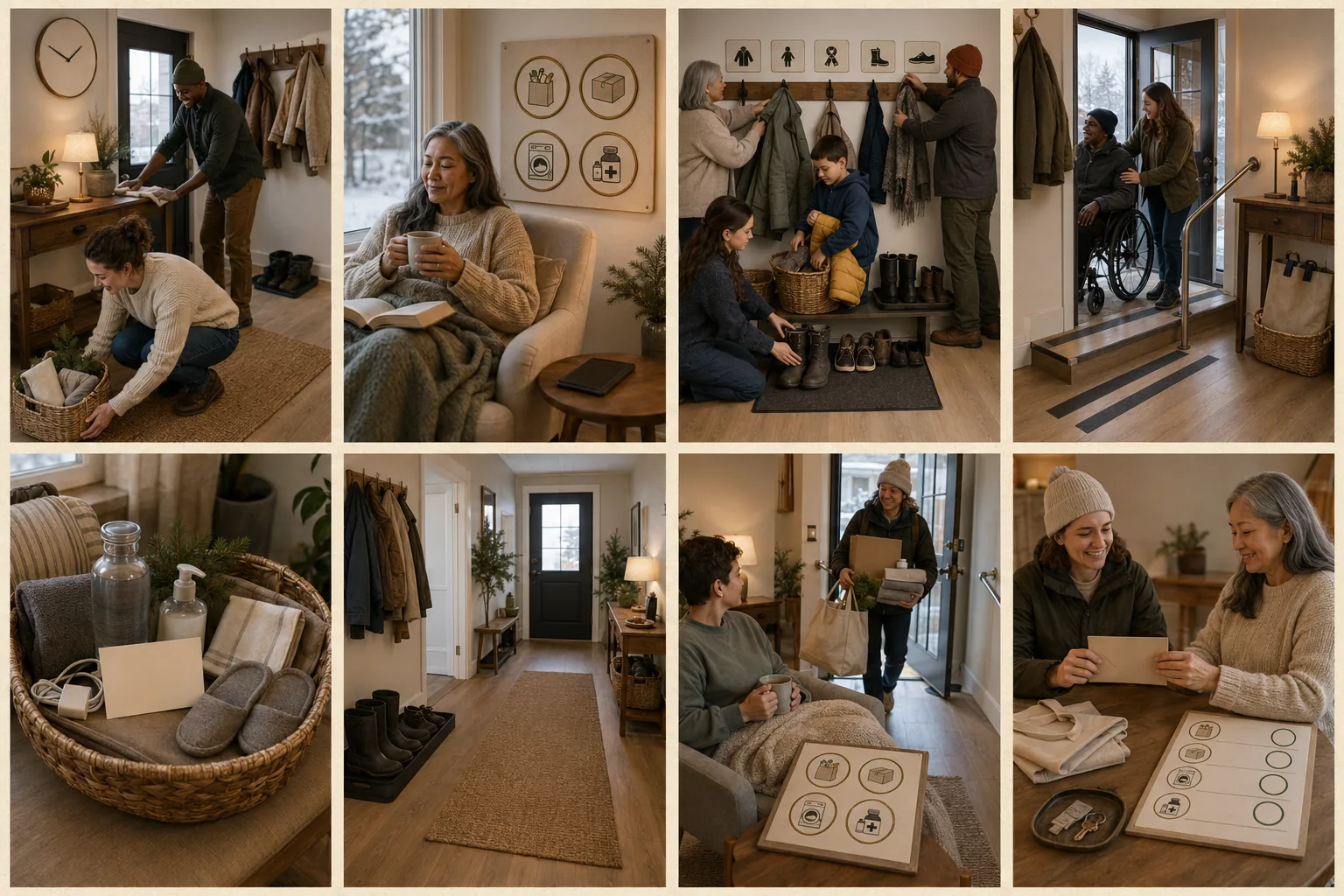
Ask the resident to define a two-hour scope covering only coats, shoes, bags, lighting, guest directions, and a clear route through the entry. Work beside them to relocate approved items temporarily, label the storage destination, clean the cleared surfaces, and stop at the agreed time.
See fit and tradeoffs →
Co-design a reusable invitation template that clearly separates date, time zone, location, access, cost, food, scent or sound conditions, children, support people, RSVP, privacy, and how to decline. Provide plain-text, large-print, mobile, and printable versions, then test one sample invitation with keyboard navigation and a reader unfamiliar with the event.
See fit and tradeoffs →
Bake two small practice layers from a reliable recipe and rehearse leveling, filling, crumb coating, chilling, and simple finishing before an important celebration. Photograph the working setup and record the quantities and timing that fit the recipient's tools.
See fit and tradeoffs →
Make one small fruit-and-vinegar syrup from a tested refrigerated method, then dilute it three ways with still water, sparkling water, or warm water. Record the recipient's preferred ratio and label storage, ingredients, and a conservative use-by date from the source.
See fit and tradeoffs →Bake one tested seeded cracker dough at two thicknesses, cool it completely, and compare snap, serving use, and next-day storage. Record the preferred rolling guide and pack only the amount that remains crisp in the recipient's existing airtight container.
See fit and tradeoffs →Make one small refrigerated citrus cordial from a tested recipe, then test three serving ratios with still, sparkling, and warm water. Write the chosen ratio, ingredient list, storage guidance, and a batch scale for the host's realistic guest count.
See fit and tradeoffs →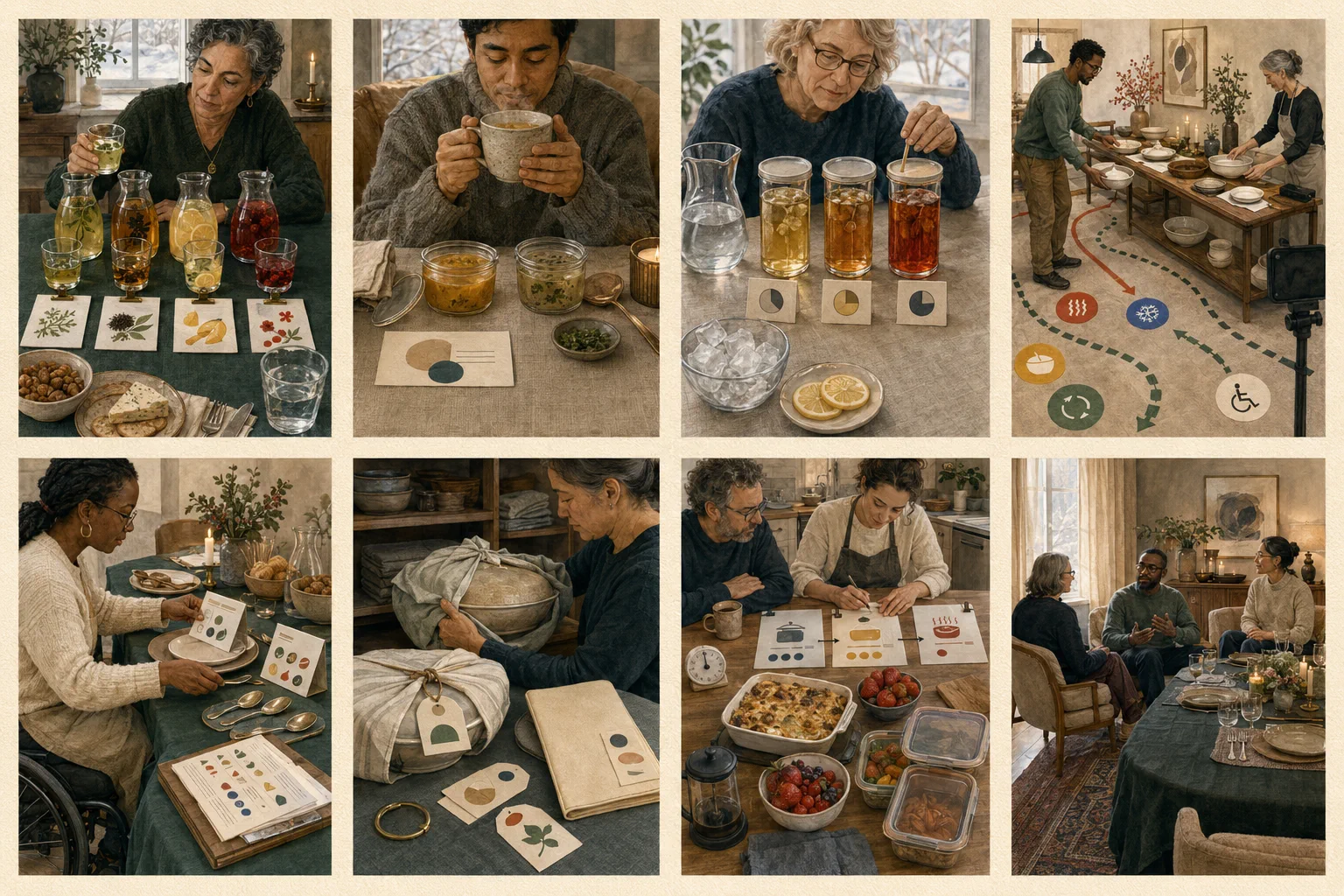
Set up a small blind tasting of four clearly non-alcoholic bitter, botanical, tea-based, or fruit-forward drink styles in tasting portions. Record ingredients, dilution needs, sweetness, accessibility, and the host's chosen occasion without ranking by price or imitation.
See fit and tradeoffs →Cold-steep one tea the recipient already likes at three tested time points, keeping leaf, water, and temperature constant. Taste small portions, record the preferred strength and dilution, and turn the rest into a right-sized pitcher with a clear refrigerated use window.
See fit and tradeoffs →Walk through one planned meal using empty serving pieces, paper food labels, and the actual table or buffet. Test where hot, cold, heavy, allergen-sensitive, and refill items can move safely, then photograph the agreed layout and assign only necessary helper roles.
See fit and tradeoffs →Create a reusable set of plain-language food cards that name each dish, its preparer, major ingredients, known allergens, and a contact-free way to ask questions. Include separate serving tools and a clear statement when cross-contact cannot be ruled out.
See fit and tradeoffs →Create a slim reusable folio for borrowed serving pieces that records owner, item, existing condition, food-use limits, arrival date, event role, cleaning instructions, and agreed return. Add removable owner tags and designate one protected return shelf before the gathering.
See fit and tradeoffs →Run a half-size rehearsal of the host's planned brunch menu, separating work into previous-day, morning, and serve-now tasks. Time oven and refrigerator transitions, test one holding method, and reduce the menu until the host has a realistic quiet period with guests.
See fit and tradeoffs →Test the dining room with two or three people speaking at normal volume, then make reversible changes using existing curtains, upholstered seating, table linens, quieter serving positions, and a reduced background-audio plan. Record which changes the host actually prefers.
See fit and tradeoffs →
Set up a temporary scrape, soak, wash, dry, leftover, and return-home flow using the host's existing sink, bins, towels, and containers. Write short helper roles, identify fragile or hand-wash items, and test the route with one ordinary dinner.
See fit and tradeoffs →Build an accessible shared board that lists meal roles, approximate portions, ingredients, dietary notes, serving needs, arrival temperatures, and whether the contributor wants leftovers returned. Include bring nothing and help on site as equal participation choices.
See fit and tradeoffs →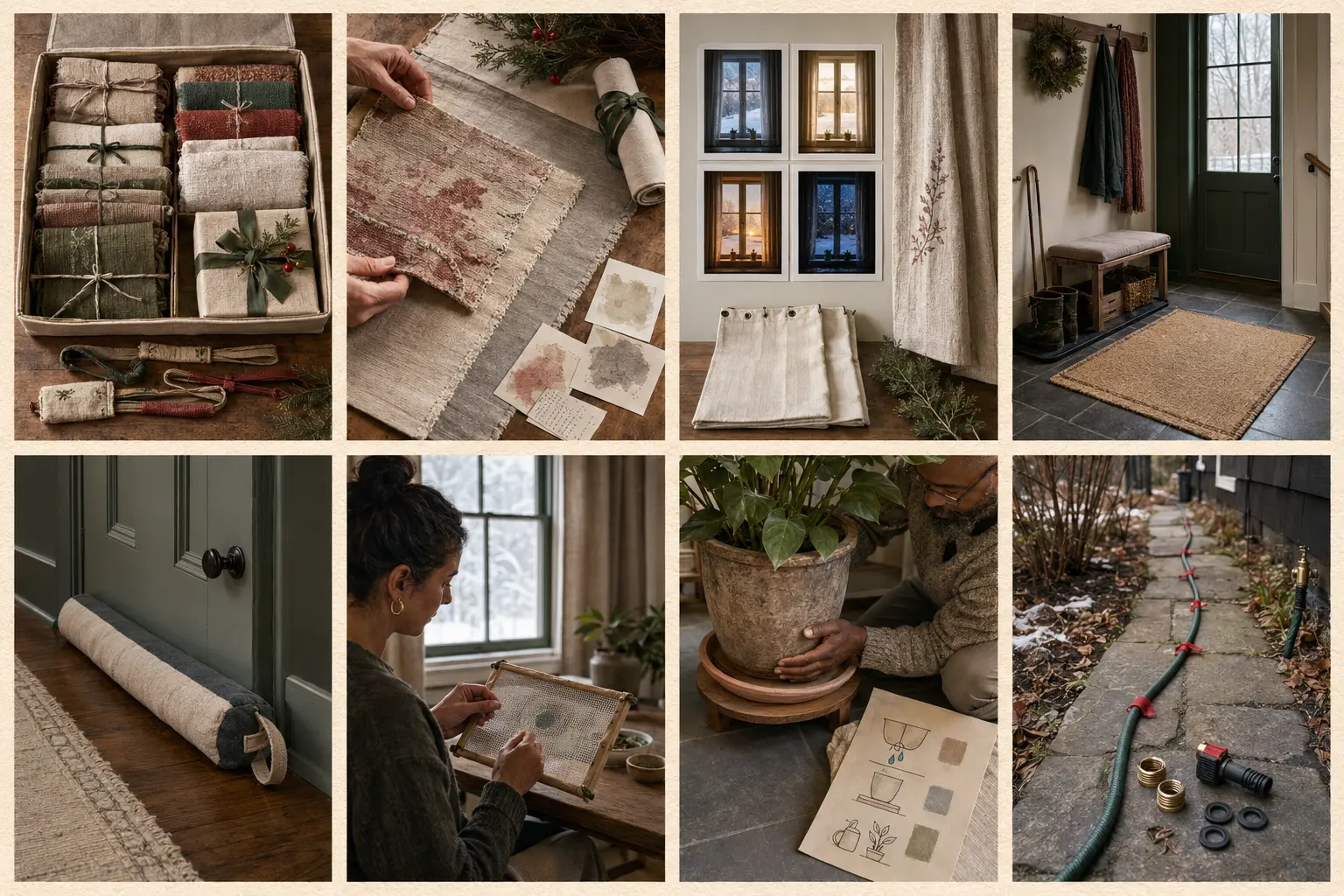
Inventory the host's existing mats, washable runners, towels, boot trays, and coat supports; launder or clean only according to material guidance with recipient-approved fragrance-free methods; then rehearse arrival for the actual guest count and identify one missing function at most.
See fit and tradeoffs →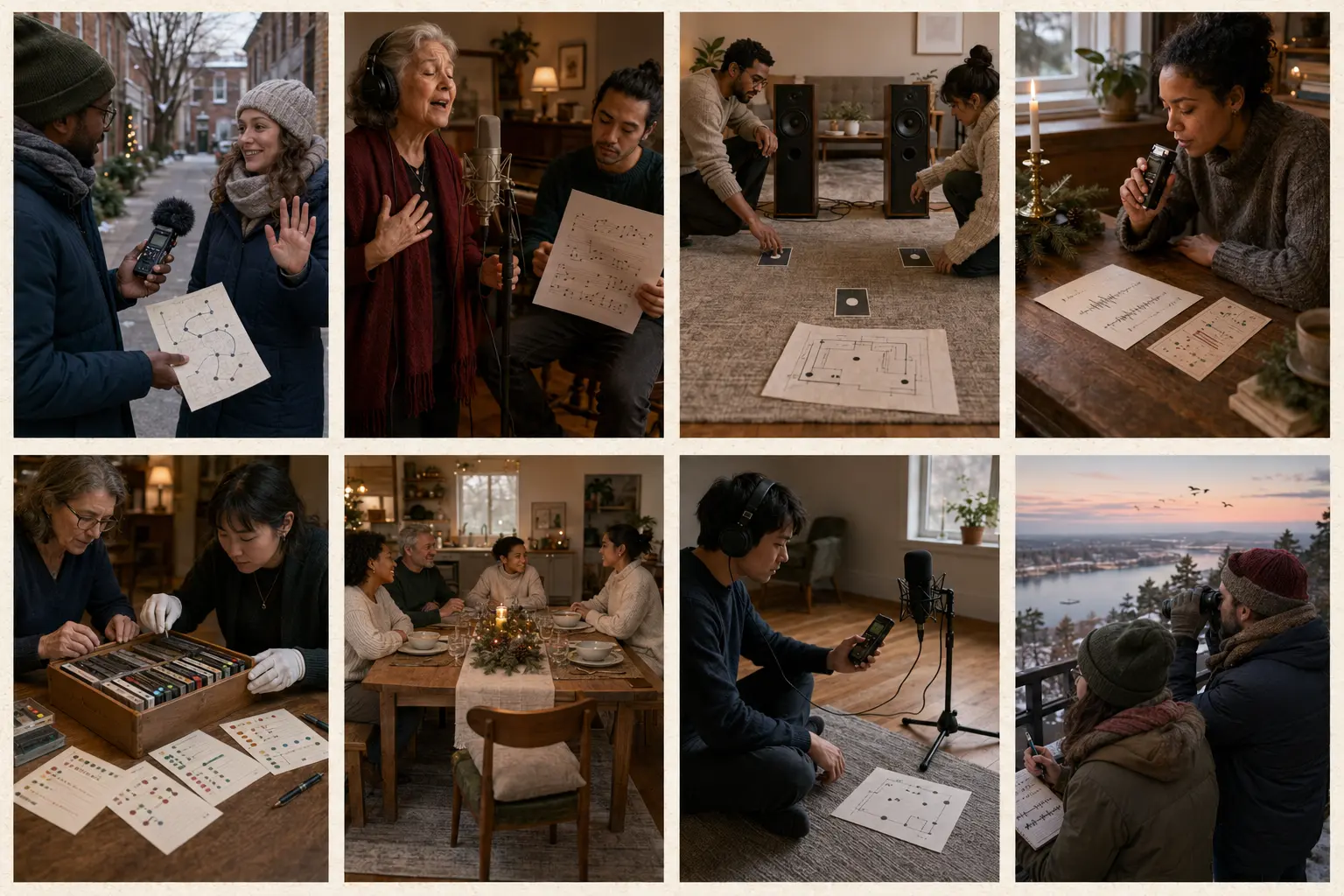
Before one gathering, seat willing household members in the real room and test table position, background music off, soft furnishings already owned, lighting, turn-taking cues, and a quieter adjacent place. Write a simple host plan based on what improves conversation without buying unverified hearing devices.
See fit and tradeoffs →
Choose one lawfully accessible film with verified captions, test their accuracy and readability on the actual screen, and plan two optional pause points for reading or rest. Send a short content and timing note beforehand, keep discussion optional, and close at the promised time.
See fit and tradeoffs →Choose a short verified public-domain silent film, divide it into four cue sections, and invite willing guests to create simple live sound using voices, household percussion, or an instrument they already play. Rehearse volume and cues once, provide captions or plot context, and serve an easy meal after the performance rather than during it.
See fit and tradeoffs →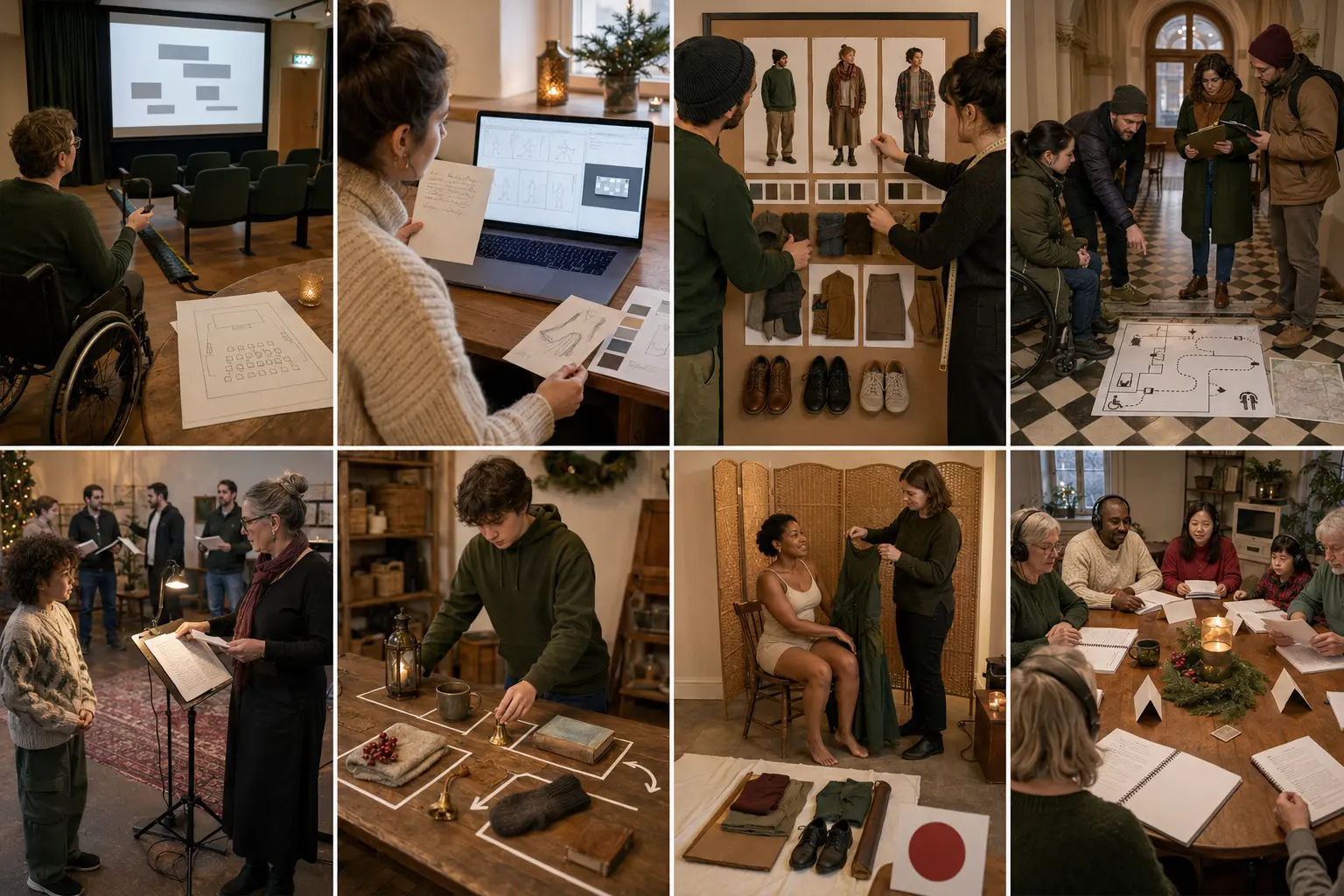
Before invitations go out, use a borrowed or existing projector to test the actual wall or screen at the intended hour. Mark image size, caption readability, glare, fan noise, seat views, cable protection, ventilation, exits, and a nonprojection backup, then restore the room and document only the workable layout.
See fit and tradeoffs →Choose a short verified public-domain script, edit only a working copy for large print and role clarity, and hold a ninety-minute table read with voluntary speaking, sound-cue, timekeeper, and listener roles. Share content notes and pronunciation questions beforehand, then close without requiring a recording or performance.
See fit and tradeoffs →
Walk the actual audience journey with venue permission: arrival, ticketing, queue, seating, toilet, quiet space, caption or interpretation point, interval, reentry, emergency information, and departure. Invite feedback from people with relevant lived experience, record gaps without promising instant fixes, and publish only verified practical information.
See fit and tradeoffs →
Ask the host to choose six instructions a guest, sitter, or helper may genuinely need, then have an unfamiliar consenting reader test them without operating risky equipment. Revise for plain language, sequence, pictures where helpful, privacy, multilingual or large-print needs, and a clear ask-us stop point.
See fit and tradeoffs →
Using only existing approved lamps or battery lights, test three table arrangements at the actual meal hour for face visibility, glare, food recognition, reading, cable-free flow, child or pet reach, and cleanup. Photograph the chosen setup and list the assumptions that must be rechecked for a larger group.
See fit and tradeoffs →
Create a small set of voluntary arrival cards offering modes such as greet me now, let me settle first, sit together quietly, introduce me to one person, show me the practical details, or I will join later. Rehearse how the host notices and honors a choice without announcing it to the room.
See fit and tradeoffs →At the actual event hour, test two or three seats for distance from speakers, kitchen clatter, door traffic, bright light, drafts, conversation sightlines, and easy exit. Ask intended users what matters, keep the seats available without labeling them as special, and provide a separate retreat option if possible.
See fit and tradeoffs →With the host and guest preferences in hand, identify active scent sources in the entry, bathroom, shared room, linens, cleaning plan, candles, diffusers, flowers, personal products, and pets. Remove or pause only what the household approves, ventilate according to safe conditions, and communicate honestly about what cannot be changed.
See fit and tradeoffs →Rehearse arrival with the actual coat count and a mix of standing, seated, self-managed, and assistance-requested options. Test door swing, wet footwear, stable seating, reachable hooks, mobility-device space, labeling, valuables, drying, and how a guest can decline help without explanation.
See fit and tradeoffs →Invite participating children to choose an existing safe corner and identify seating, light, sound, view of trusted adults, activities, privacy, sharing rules, and a return-to-gathering signal. Adults verify supervision, exits, choking and cord hazards, then protect the corner from becoming overflow storage or punishment.
See fit and tradeoffs →At night, walk the permitted guest route from bed or shared room to bathroom, stairs, kitchen, and exit using existing switches and approved plug-in or battery lights only. Test glare, shadows, controls, cord-free placement, sleep disruption, pet routes, and a flashlight backup without altering wiring.
See fit and tradeoffs →Using the final menu and guest information, assign each dish its actual vessel, stable resting place, serving tool, ingredient or allergen information from the cook, temperature and replenishment plan, and clear empty-dish destination. Rehearse the line with cold empty vessels before event day and correct cross-reach or missing-tool problems.
See fit and tradeoffs →
Set one reachable shelf or tray with only guest-approved morning essentials: water, cups, simple shelf-stable or refrigerated choices clearly stored, tea or coffee instructions if safe, utensils, waste route, and when the host expects to be available. Rehearse access without opening private cupboards or operating unfamiliar equipment.
See fit and tradeoffs →Before one gathering, assign visible finish cues, transport checks, coat return, leftovers choice, final bathroom use, guest goodbyes, dishes to leave, essential cleanup only, and a protected host recovery period. Give one co-host authority to carry the final twenty minutes so the primary host can stop performing hospitality.
See fit and tradeoffs →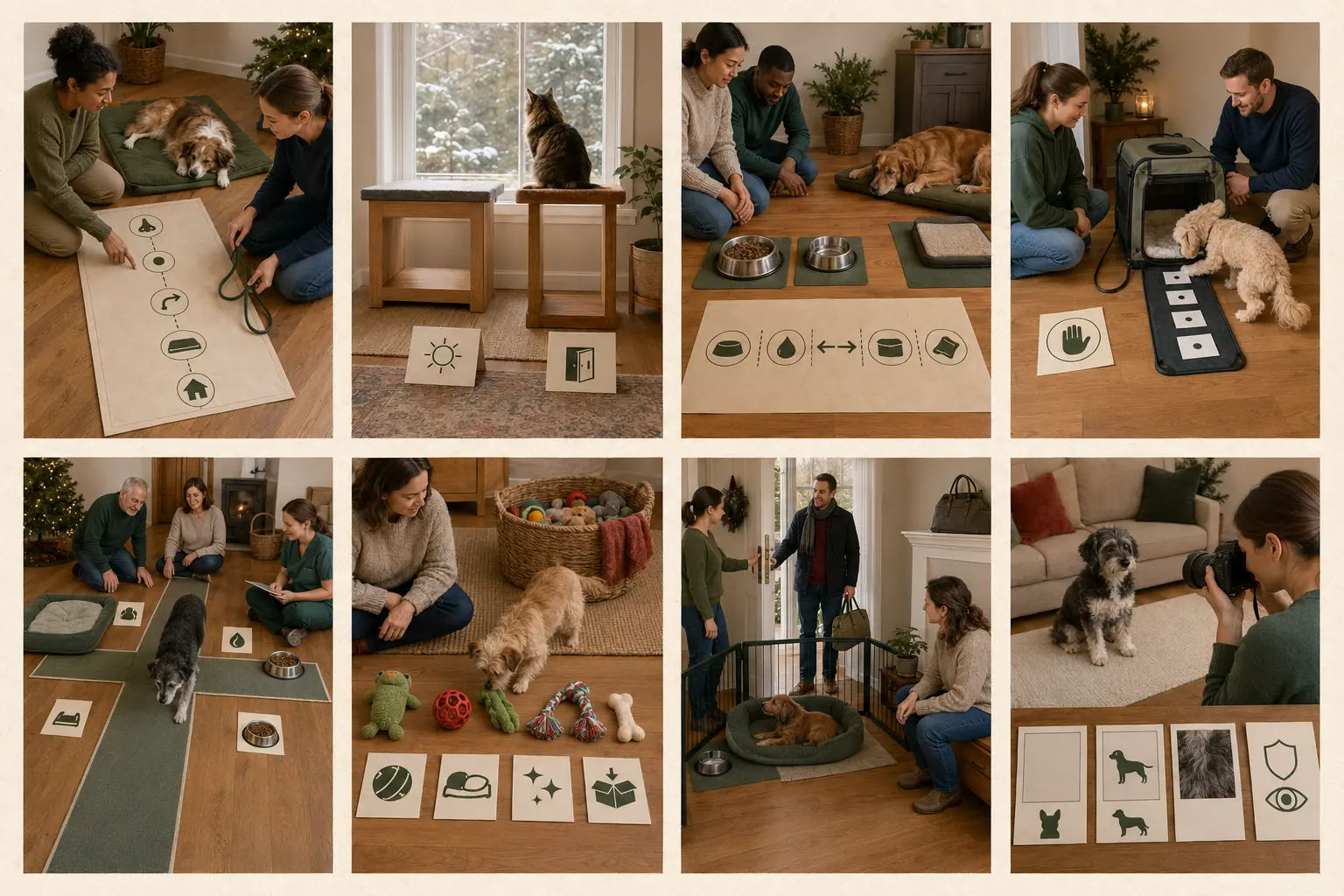
Using a stable existing chair, platform, or borrowed freestanding perch, trial two window locations for sun, glare, outdoor stressors, escape from children or other animals, radiator and cord clearance, curtain use, cleaning, and the cat's voluntary approach. Observe over several short periods before deciding whether any product is appropriate.
See fit and tradeoffs →Before guests arrive, rehearse door use, pet location, gates or closed rooms already approved, retreat, water, sound, food boundaries, child instructions, coat and bag placement, outside access, and one responsible adult's role. Use a realistic door knock or message cue only at a level the animal can handle.
See fit and tradeoffs →No placement or order is currently paid. Future commercial links will be clearly labeled beside the link and will not silently determine this collection.